
protein is not the enemy. imbalance is.
every few years, textured haircare swings in extremes. first it was “more moisture.” then it was “no protein.” then it was bond builders. somewhere in that cycle, protein became something to fear, but it shouldn’t be. to understand why, you have to understand what protein is actually doing inside your hair.
hair is primarily made of keratin, a structural protein arranged in long chains. those chains are held together by different types of bonds, hydrogen bonds, salt bonds, and disulfide bonds, that give your curls both strength and elasticity.
when you color, chemically process, heat style, or even repeatedly manipulate textured hair, you disrupt those bonds. over time, that disruption weakens the internal structure of the strand. the cuticle may still look intact, but the cortex, the inner layer responsible for strength, becomes compromised. this is when elasticity changes.
elasticity is your hair’s ability to stretch and return to its original shape without breaking. healthy curls stretch slightly and spring back. damaged curls either snap quickly or stretch too far and fail to rebound. both are signs of imbalance.
protein treatments don’t magically “fix” hair. what they do, when formulated correctly, is temporarily reinforce weakened areas along the strand. hydrolyzed proteins are broken down into smaller fragments that can adhere to the cuticle and fill microscopic gaps in damaged regions. this improves tensile strength and helps the strand better withstand daily stress. that is not the same as hardening the hair.
the stiffness people associate with “protein overload” usually happens when reinforcement is layered repeatedly without enough moisture to maintain flexibility. protein adds structure. moisture adds pliability. one without the other creates problems.
too much moisture, and the hair becomes overly soft, what many describe as “mushy.” curls lose definition. they stretch excessively before breaking. styling doesn’t hold.
too much reinforcement without adequate hydration, and the strand becomes rigid. it may feel dry, brittle, resistant to movement. healthy textured hair exists between those extremes. this is where nuance matters.
not all hair responds to protein the same way. porosity plays a role. high-porosity hair, often color-treated, heat-damaged, or naturally more porous, loses internal protein more quickly and may benefit from more frequent reinforcement. low-porosity hair, with a tightly packed cuticle, may require less frequent protein support and more careful formulation balance to avoid surface buildup.
it’s also important to distinguish between heavy, poorly balanced protein systems and modern plant-based reinforcement approaches. hydrolyzed quinoa, for example, offers lightweight structural support while also helping with moisture retention. when paired with botanicals and emollients, it can strengthen without creating that rigid, over-treated feel many people associate with older protein masks. the goal is resilience, not hardness.
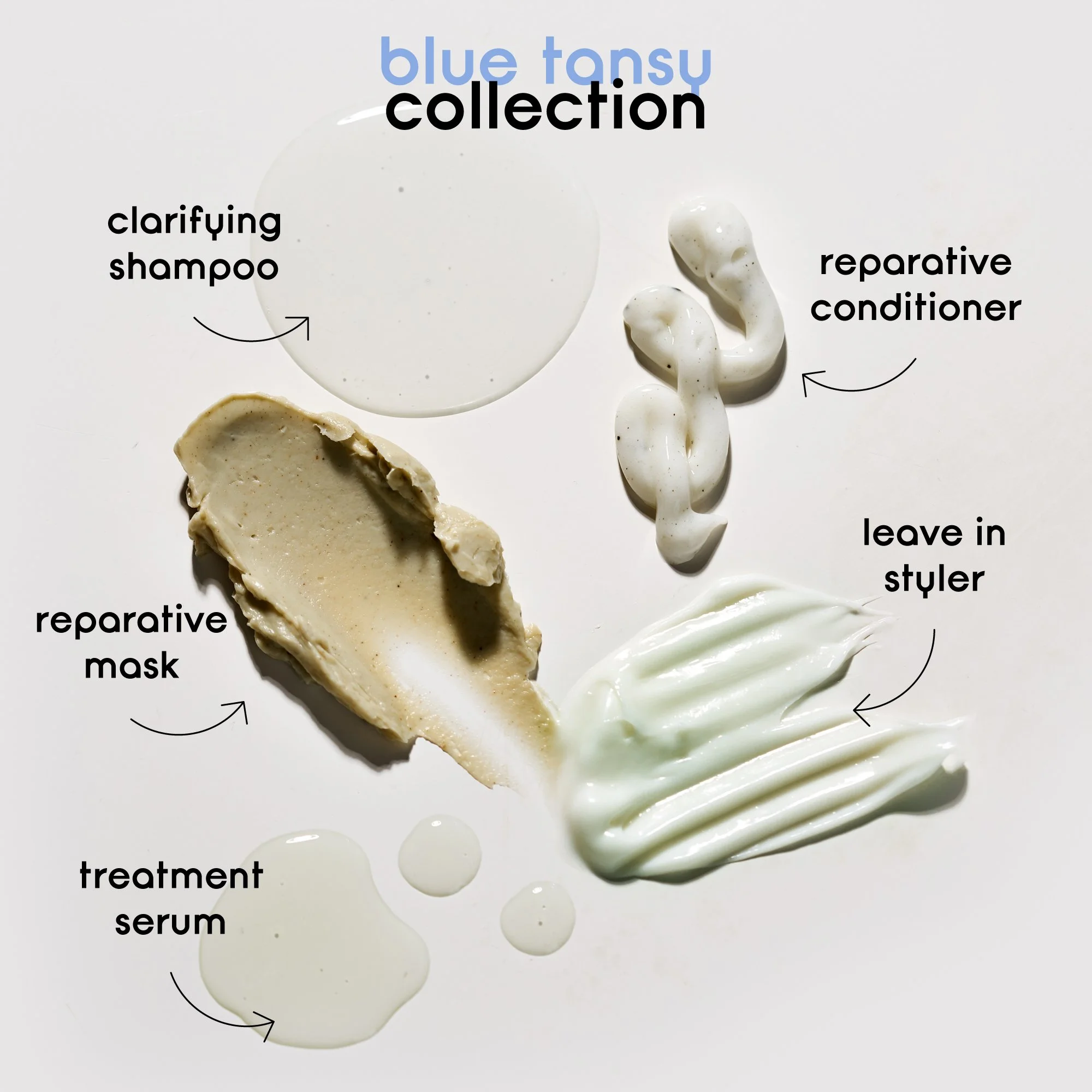
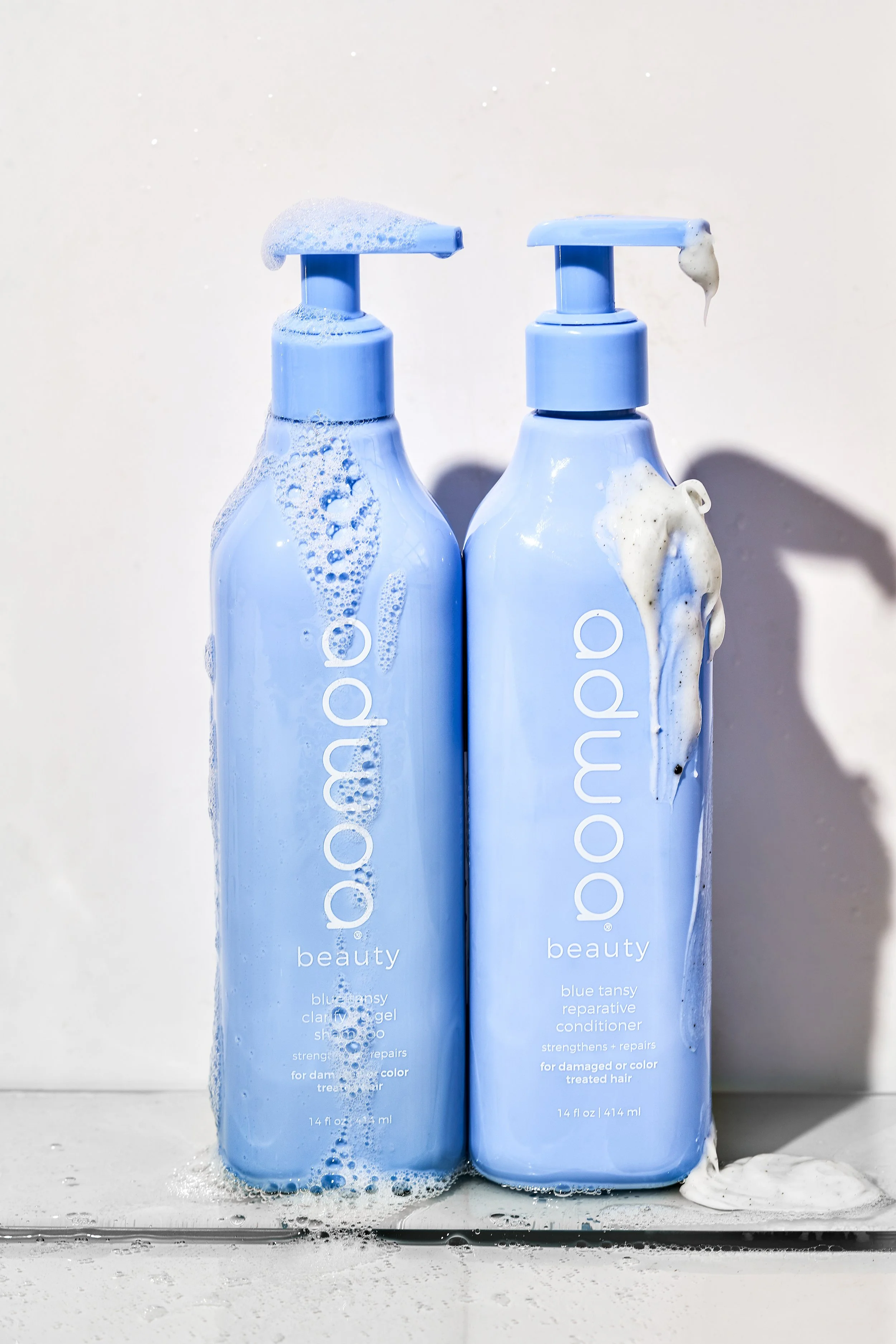
this is the philosophy behind our blue tansy reparative conditioner. reinforcement should never come at the expense of flexibility. inside the formula, hydrolyzed quinoa supports weakened areas along the strand, while avocado and buriti seed oils smooth the cuticle to maintain softness. bamboo extract adds lightweight strength and shine. slippery elm and marshmallow root improve slip, reducing breakage during detangling.
blue tansy oil, rich in antioxidants, works at the scalp level, supporting overall follicle health so that strength is addressed from root to tip. it’s not just about coating damage. it’s about supporting the entire system.
if your curls feel overly soft, won’t hold definition, stretch excessively before snapping, or have recently been exposed to color or heat, your hair may not need more oil. it may need support.
this is when a rinse-out like blue tansy reparative conditioner makes sense. use it weekly when your curls feel overstretched or after color and heat exposure. after cleansing, apply from mid-length to ends, detangle gently, and allow the hydrolyzed quinoa and supporting botanicals to reinforce fragile areas. adding heat turns this into a deep treatment and increases softness that performs more like a balancing treatment. rinsing out as a quick fix, and it feel strengthening, more like a protein treatment. use weekly if you color or heat style regularly. use as needed if your hair is otherwise balanced.
but support is not a permanent state. protein is not something you “switch to.” it is something you use when your hair signals imbalance. the real issue is not protein, it’s overcorrection.
textured hair changes with the seasons, with stress, with manipulation, with routine. listening matters more than reacting to trends. strength and softness are not opposites. they are partners. and when they’re balanced, your curls don’t feel hard. they feel stable. that’s the difference. that’s the edit.
educational usage and ingredient facts for the adwoa beauty blue tansy reparative conditioner.
